Credit should be used as a tool — not a trap.
Building credit is not about chasing debt or collecting credit cards. It is about learning how to use financial tools responsibly so they can support your future instead of quietly working against it.
A strong credit profile can help open doors to apartments, lower interest rates, better financing opportunities, and financial flexibility during emergencies. But strong credit is rarely built overnight. It is usually built through small, consistent habits repeated over time.
The good news is that you do not need to be perfect to begin. You simply need to understand the system and start using it intentionally.
Building Credit Is About Habits, Not Perfection
One of the biggest misconceptions about credit is that people either “have good credit” or they do not. In reality, credit is often the result of repeated financial habits over time.
Even people with lower scores can improve their credit significantly once they understand how the system works and begin practicing smarter credit habits consistently.
Building credit responsibly does not mean never making mistakes. It means learning from mistakes early enough that they do not become long-term patterns.
Improving your credit score is usually less about one giant financial move and more about building steady, repeatable behaviors over time.
Start With the Right Credit Accounts
For many beginners, the hardest part is simply figuring out where to start.
One of the safest ways to begin building credit is often through beginner credit cards or secured credit cards. A secured card usually requires a small cash deposit upfront, which acts as collateral for the account. In many ways, secured cards are a “pay-to-play” entry point into the credit system.
The goal is not necessarily to use the card heavily. In fact, some people use a secured card for one small recurring purchase each month — like a tank of gas or a streaming subscription — then immediately pay the balance in full once the statement posts.
Others may barely use the account at all and instead allow it to quietly age over time.
This matters because age of credit history becomes valuable. Time cannot be bought, but it can be built slowly. An older revolving account in good standing can continue helping your credit profile for years.
I personally kept one secured card open for nearly fifteen years because even though the original deposit was small, the account was serving a larger purpose than simply reclaiming the money. It was helping strengthen the overall age and stability of my credit profile.
One important thing to remember is that unused accounts can sometimes be closed by lenders after long periods of inactivity. Keeping occasional activity on an account can help preserve the age and history you worked hard to build.
Make On-Time Payments Your Top Priority
If there is one habit that matters most when building credit, it is paying on time.
Payment history is one of the largest factors affecting your credit score, and late payments can remain on your credit report for years.
A simple strategy that helps many people is setting up automatic payments for at least the minimum amount due so accidental missed payments become less likely.
Consistency matters far more than trying to look financially perfect.
Lenders want to see reliability. Small on-time payments repeated over long periods of time often matter more than occasional large financial moves.
Learn to Use Credit Without Living on Credit
☕ Kitchen Table Talk
There was a time in my life when I was waiting on a large bonus check from work. In my mind, the money was already spoken for before it had even arrived. Christmas was coming, the kids were excited, and things were getting tight financially while I waited for the payout.
At first, I told myself I was only using my credit cards temporarily.
I figured:
“The bonus check is basically already mine.”
So little by little, I started swiping more often.
Not for emergencies…
but for “nice-to-haves.”
Extra shopping.
More eating out.
Little luxuries here and there.
I convinced myself it was fine because I would “catch everything up” once the check arrived.
Then one morning an email hit my inbox from my director at work.
Budget cuts.
No bonus this year.
My stomach dropped.
Suddenly all those charges I had comfortably pushed into “future me’s problem” became very real, very fast.
That was the moment I truly learned the difference between:
using credit…
and living on credit.
I had to immediately cut back on everything that was not essential. No more surfing lessons. No more music lessons. No more random Target runs, takeout dinners, or subscription services that quietly added up every month.
It was humbling.
What I learned from that season is something I still carry with me today:
Credit should be used as a financial tool, not as a lifestyle extension.
Used wisely, credit can help create flexibility, build history, and open opportunities. But when we start relying on future income that has not arrived yet, it becomes very easy to slowly build a life that our actual paycheck cannot comfortably support.
That lesson changed the way I look at credit forever.
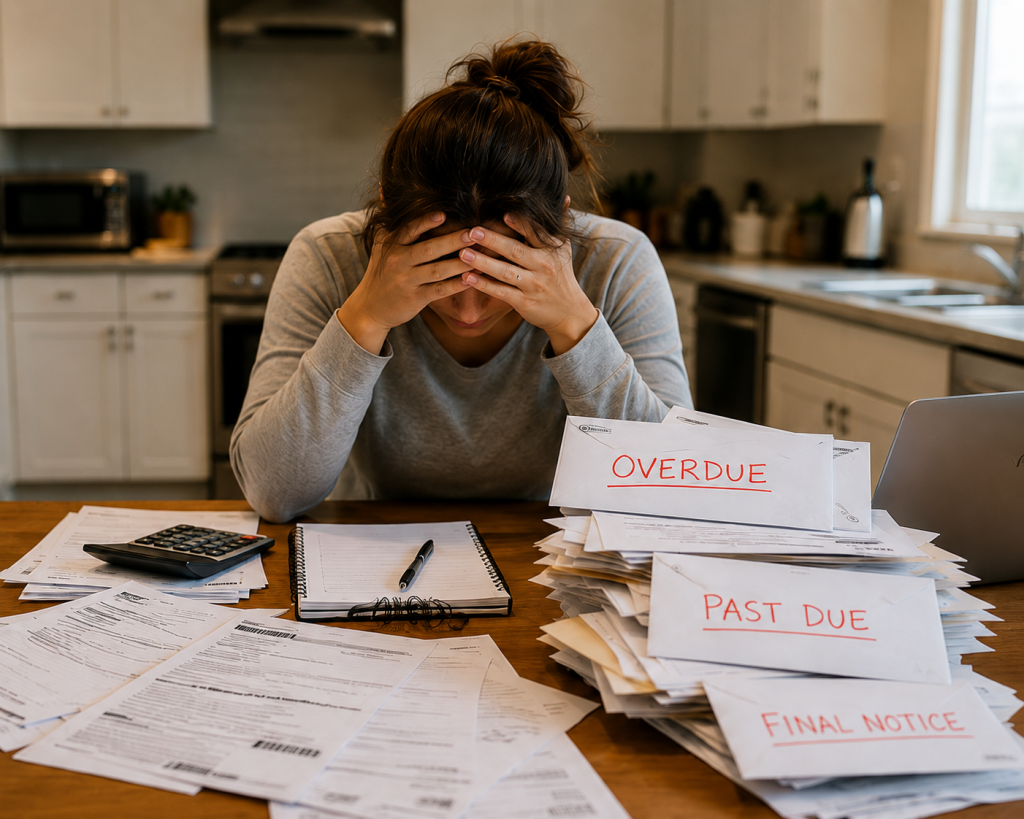
One of the biggest traps people fall into is confusing available credit with available money.
Credit limits are not free income. Small purchases here and there may not seem dangerous in the moment, but over time they can quietly snowball into balances that become difficult to pay down, especially when high interest rates are involved.
Credit card payments are also not applied entirely toward your balance right away. Interest is often paid first, which means carrying balances long-term can become extremely expensive.
As a general rule:
“Don’t finance consumables at 28% interest if low/no-interest installment options exist.”
For certain necessary purchases like essential household items or clothing or even groceries when funds run low, tools like Klarna or Affirm may provide lower-interest or short-term installment options that can sometimes be more manageable than revolving high-interest credit card debt.
The key is intentional use — not turning installment apps into excuses for unnecessary spending.
A helpful mindset is:
“Clean up your mess before asking for more debt.”
Before applying for additional credit, it helps to first understand where your current money is going.
Tools like Rocket Money can help identify subscription leaks, unnecessary spending, recurring charges, and budgeting blind spots so you can better understand your financial starting point before taking on additional obligations.
Keep Your Utilization Low
Credit utilization measures how much of your available credit you are currently using.
Many financial experts recommend keeping balances below about 30% of your available credit limits whenever possible.
For example, if your total available credit across all cards is $5,000, ideally you would want your balances to remain below approximately $1,500.
High balances can sometimes signal financial strain to lenders even when payments are still being made on time.
This is why paying balances down consistently can sometimes improve your credit score relatively quickly compared to other factors that require longer periods of time.
Monitoring tools like Credit Karma can help track utilization percentages automatically and provide guidance on what areas of your profile may need improvement.
Avoid Applying for Too Much Credit at Once
Applying for several credit accounts within a short period of time can sometimes hurt your score temporarily and make lenders nervous about potential borrowing risk.
Instead of applying randomly and hoping for approval, it is often smarter to apply strategically.
Platforms like Credit Karma and NerdWallet help simplify this process by recommending products that better align with your current credit profile and approval likelihood.
These platforms often understand lender guidelines, approval trends, and score expectations better than most beginners do when starting out.
Credit Karma even offers certain guaranteed approval programs where users may qualify for compensation if recommended products result in denial.
Let the tools do some of the heavy lifting instead of blindly collecting inquiries that may lower your score unnecessarily.
Building Credit Takes Time — But Time Passes Anyway
One of the hardest realities about building credit is that strong profiles are usually built slowly.
There is no shortcut for consistency.
But the encouraging part is this:
One year is going to pass whether you build credit wisely or not.
Small responsible actions repeated month after month can completely change a financial future over time.
The earlier someone begins building credit habits responsibly, the more opportunities they may create for themselves later.
Tools That Can Help You Track Your Progress
Building credit becomes much easier when you can actually see and understand your progress.
Helpful beginner tools include:
Credit Karma for score tracking and utilization monitoring
NerdWallet for comparing financial products and approval guidance
Rocket Money for budgeting awareness and identifying unnecessary spending
These tools can help simplify the learning process and make financial patterns easier to recognize over time.
What To Learn Next
Ready to continue learning?
Start here next:
- Understanding Credit Scores
- Credit Tips & Financial Guides | Article Release Date: June 2, 2026